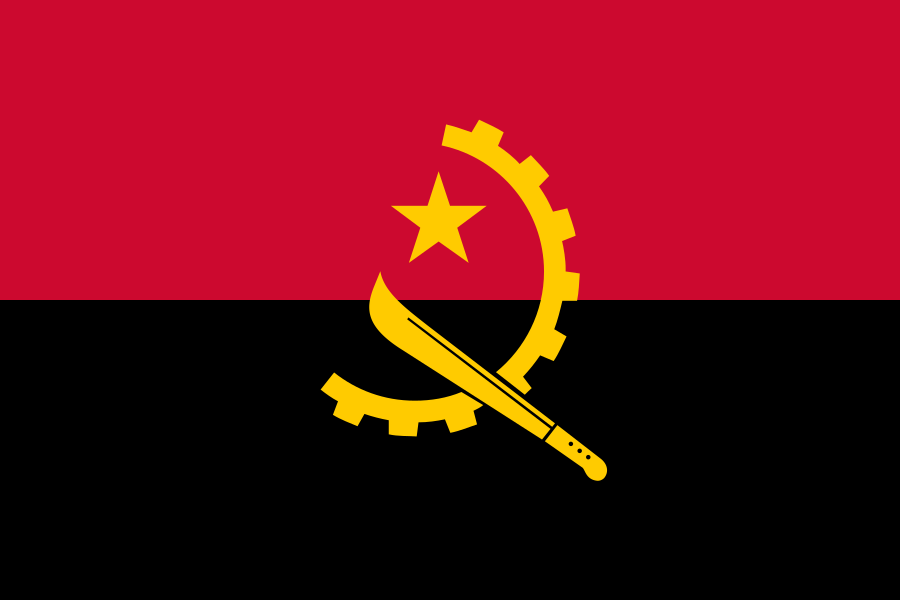
Angola
18% · Low RiskUnlikely: Angola is more likely than not to avoid direct involvement in significant armed conflict through 2029, though localized violence and episodic unrest remain plausible.
**Bottom line** Three-year conflict risk is low-to-moderate: the state is not on a civil-war trajectory, but it faces recurrent protest risk and a persistent…
Most likely pattern is episodic urban unrest tied to prices and policing, with the MPLA retaining control and containing protests through coercion and selective concessions. Cabinda may see intermittent clashes, but sustained escalation is unlikely. Angola’s DRC role remains primarily diplomatic; limited border-security tightening is more plausible than direct combat.
Risk rises modestly around the 2027 election and leadership transition: elite fragmentation or a contested result could increase protest frequency and localized violence, but a national armed conflict remains unlikely without a severe economic shock. Cabinda is likely to persist as a low-level insurgency. Regional spillover from the DRC remains the main external tail risk to direct involvement.
Threat drivers The main internal risk is political-economic stress translating into violent unrest. Subsidy cuts and cost-of-living pressures have already produced deadly episodes, and heavy-handed policing can escalate protests into wider disorder. A second, narrower driver is Cabinda: FLEC-linked militancy appears capable of sporadic attacks and ambushes, but not of nationwide destabilization.
Regional and external exposure Angola’s most relevant external vector is the DRC crisis. Luanda is positioned as a mediator and convenor; that role reduces incentives for direct intervention, but persistent escalation in eastern DRC could create pressure for border security operations, intelligence support, or limited cross-border actions. Maritime insecurity in the Gulf of Guinea is a policing and protection challenge rather than a likely trigger for interstate war.
Resilience and systemic firebreaks Angola’s dominant-party system and security apparatus provide strong regime durability, lowering the probability that unrest becomes organized armed conflict. Geography also helps: Angola is distant from the Sahel’s jihadist belt and has no active, high-intensity interstate disputes. The armed forces remain one of the region’s larger capabilities, which deters opportunistic threats, even if readiness and funding constraints limit sustained expeditionary operations.
Net assessment The structural balance favors continuity: elevated protest potential and localized Cabinda violence are credible, but the pathways to a significant nationwide armed conflict are weak absent a major succession rupture, a severe macro shock, or a sharp regional escalation that converts Angola’s DRC diplomacy into direct kinetic involvement.
Support the Project
WarRiskIndex is a public-good initiative. Your contribution powers AI analysis.